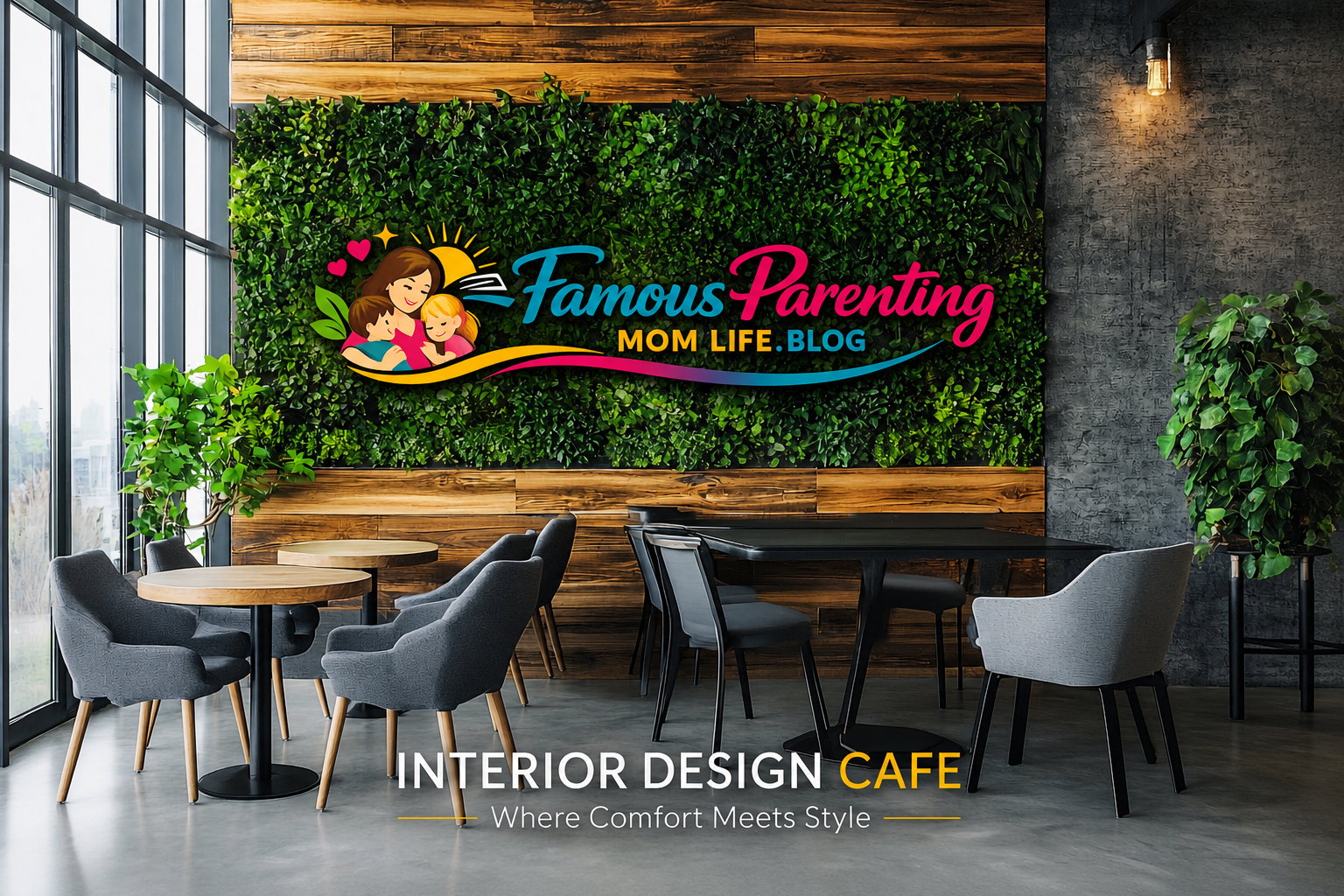
Walking into a Cafe is never just about the coffee. The moment a customer steps through the door, their brain is already forming an opinion about the lighting, the colors, the seating, the sounds, even the smell of fresh paint or roasted beans mixing together. This first impression can decide whether someone stays for an hour, snaps a photo for Instagram, or simply orders a takeaway cup and leaves. That’s the power of great interior design in a café.
Interior design for cafés has become one of the most important investments a coffee shop owner can make. In a market saturated with options, the physical experience of a space is often what separates a forgettable coffee stop from a beloved neighborhood destination. This article breaks down everything you need to know about designing a café interior that’s functional, beautiful, and built to keep customers coming back.
Why Cafe Interior Design Matters More Than Ever
Coffee culture has evolved. People don’t just visit cafés to grab caffeine — they go to work remotely, meet friends, host first dates, or simply enjoy a quiet moment away from home. Because of this shift, a cafe’s interior design directly impacts:
Customer dwell time
Comfortable, well-designed spaces encourage people to stay longer and spend more.
Brand identity
The interior visually communicates what your café stands for, whether that’s minimalist elegance, rustic warmth, or bold creativity.
Social media exposure
Aesthetically pleasing interiors get shared online, acting as free marketing.
Repeat visits
A space that feels good to be in creates emotional loyalty, not just transactional visits.
In short, interior design isn’t decoration — it’s a business strategy.
Key Elements of Effective Café Interior Design
Layout and Flow
Before choosing a single color or furniture piece, the layout needs to work. A well-planned café layout balances three critical zones:
- The counter and ordering area – This should be easy to find and navigate, with enough space to prevent bottlenecks during busy hours.
- Seating areas – A mix of table sizes (two-tops, four-tops, communal tables) accommodates solo visitors, couples, and groups.
- Circulation paths – Clear walkways for both customers and staff prevent congestion and improve safety.
Good flow reduces wait times, minimizes staff stress, and makes the space feel intuitive rather than chaotic.
Lighting Design
Lighting sets the emotional tone of a café faster than almost any other design element. Warm, layered lighting — combining ambient, task, and accent lighting — creates a cozy, inviting atmosphere. Cafés that rely on natural light through large windows often feel airier and more welcoming during the day, while dimmable fixtures allow the same space to transform into a moodier setting in the evening.
Pendant lights over counters, soft wall sconces near seating, and statement fixtures above communal tables all contribute to a layered lighting scheme that feels intentional rather than accidental.
Color Palette
Color psychology plays a subtle but powerful role in café design:
- Warm tones (terracotta, mustard, deep browns) evoke comfort and encourage lingering.
- Cool tones (sage green, soft blues) create a calming, refreshing environment.
- Neutral shades (think soft whites, warm beige, or muted gray) give a café that clean, uncluttered canvas where the furniture and greenery get to do the talking.
Walk into a well-branded café and you’ll often notice the same thing: quiet, neutral surroundings with just a splash of color pulled directly from the logo. It’s subtle, but it ties the whole room back to the brand without shouting about it.
Furniture Selection
Furniture needs to strike a balance between comfort, durability, and style. Wooden tables and chairs remain popular for their warmth and versatility, while mixed materials like metal, rattan, and upholstered seating add texture and visual interest.
Consider these practical furniture tips:
- Opt for spill-resistant, low-maintenance materials that stay looking fresh even after a busy shift.
- Vary seating heights and styles to suit different customer needs — bar stools for quick visits, armchairs for lounging, and standard tables for laptop users.
- Leave enough breathing room between tables so guests can move around freely, without the space ever feeling tight.
Textures and Materials
Layering textures — exposed brick, reclaimed wood, woven textiles, polished concrete — adds depth and character to a café. This tactile variety keeps the eye engaged and prevents a space from feeling flat or generic. Many trending café designs blend industrial materials with soft, organic elements to create a balanced, welcoming contrast.
Greenery and Biophilic Design
Plants are one of the most cost-effective ways to elevate a café’s interior. Hanging planters, potted greenery, and living walls introduce color, improve air quality, and create a calming, nature-connected atmosphere. Biophilic design — the practice of incorporating natural elements into built spaces — has been linked to reduced stress and increased customer satisfaction, making it a smart addition to any café.
Acoustic Considerations
Noise level is often overlooked in café design, yet it significantly affects customer comfort. Hard surfaces like tile floors and bare walls can create echo and excessive noise. Incorporating soft materials — curtains, upholstered seating, acoustic panels, or even bookshelves — helps absorb sound and creates a more pleasant auditory environment for conversation or focused work.
Popular Cafe Interior Design Styles
Minimalist Scandinavian
Clean lines, light wood tones, and a neutral color palette define this style and works best for café owners chasing a peaceful, clutter-free feel where nothing fights for attention.
Industrial Chic
Exposed brick, metal fixtures, concrete floors, and Edison bulb lighting characterize the industrial café look. This style often appeals to urban locations and younger, trend-conscious customers.
Bohemian and Eclectic
Bold patterns, mismatched furniture, layered textiles, and abundant plant life create a relaxed, artistic vibe. This style works well for cafés that want to feel personal and creatively inspired.
Modern Minimal with Pastels
Soft pastel color schemes paired with sleek furniture and geometric accents create a trendy, photogenic space — perfect for cafés targeting a younger, social-media-savvy demographic.
Rustic and Farmhouse
Reclaimed wood, vintage decor, and warm earthy tones give this style a cozy, homey feel that appeals to customers seeking comfort and nostalgia.
Budget-Friendly Interior Design Tips for Cafés
Not every café has an unlimited design budget, but impactful design doesn’t have to be expensive. Consider these cost-effective strategies:
Repurpose and upcycle furniture
Vintage or secondhand pieces add character while saving money.
Focus on paint and lighting
These two elements dramatically transform a space at a relatively low cost.
Use statement walls
A single accent wall with bold color, wallpaper, or art can anchor the entire design.
Incorporate local art
Partnering with local artists for wall displays adds unique character and supports the community.
Prioritize key focal points
Invest more in high-visibility areas like the counter and entrance, while keeping back-of-house areas simple.
Common Mistakes to Avoid in Café Interior Design
- Overcrowding the space with too much furniture, leaving little room to move comfortably.
- Ignoring acoustics, resulting in an overly noisy environment that discourages lingering.
- Ignoring brand consistency, where the interior doesn’t reflect the café’s overall identity or menu offerings.
- Poor lighting choices, such as harsh overhead lighting that feels clinical rather than inviting.
- Neglecting functionality for aesthetics, creating a beautiful space that’s impractical for daily operations.
Final Thoughts: Designing a Café That Tells a Story
The best Cafe interiors do more than look good in photos — they tell a story about the brand, create emotional connections with customers, and support smooth daily operations. Whether you’re designing a cozy neighborhood coffee shop or a sleek, modern espresso bar, thoughtful interior design choices around layout, lighting, color, furniture, and materials will shape how customers experience your space.
Ultimately, a well-designed café isn’t just a place to buy coffee — it’s a destination people choose again and again, because it makes them feel something the moment they walk in.
Visit famousparentingmomlife for more details.