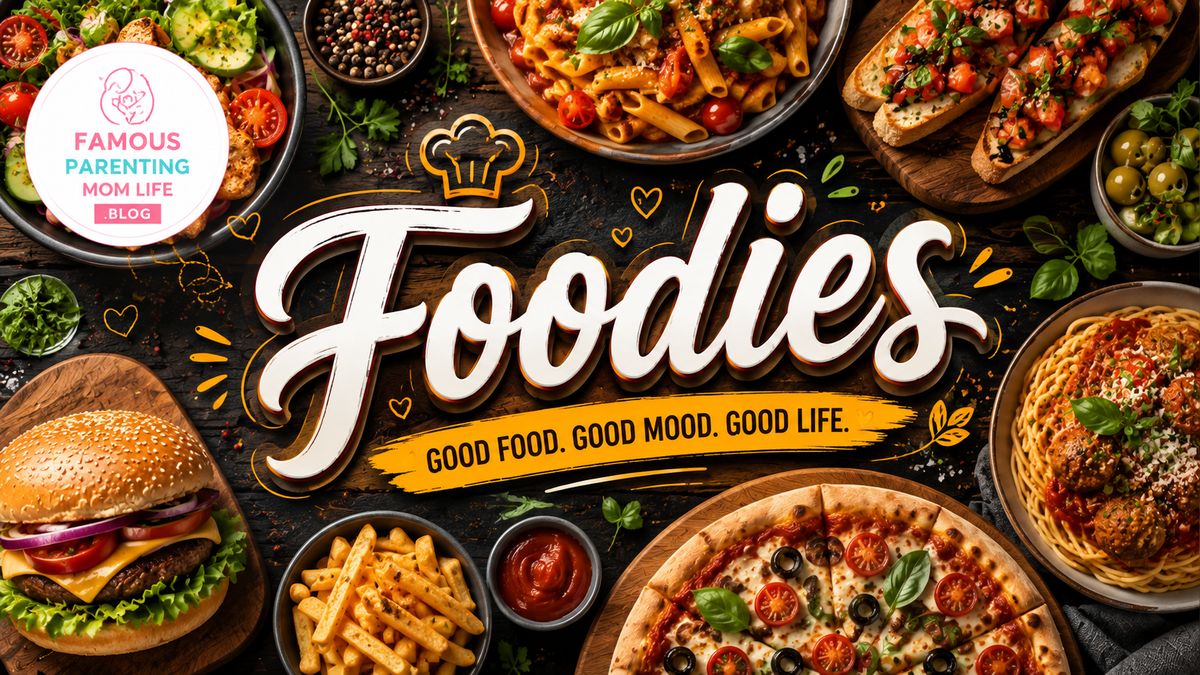
Ever wonder why your friend takes ten photos before touching their meal? That’s a foodie in action. This growing community treats eating as more than a daily task, it’s a genuine passion built around exploring new flavors and discovering hidden gems. Foodies aren’t satisfied with the same old takeout order.
They chase authentic experiences, dig into local ingredients, and follow chefs the way sports fans follow their favorite teams. Social media has only fueled this obsession, turning every plate into a story worth sharing. Whether it’s trying a spicy new dish or hunting down a tiny neighborhood restaurant, foodies bring genuine culinary curiosity to everything they eat. This article breaks down what makes this culture so addictive.
Who Exactly Is a Foodie?
Being a foodie goes way beyond simply enjoying meals.It’s someone who treats food as a form of self-expression and explores flavors the way an artist explores color. Foodies research restaurants before they visit them. They study the menu line by line, then ask their server where the ingredients actually come from.
This curiosity sets foodies apart from casual diners. A regular diner picks a restaurant because it’s convenient or affordable. A foodie picks one because of a chef’s background or a dish that’s trending online. That extra layer of culinary curiosity is what defines the community.
How Social Media Turned Food Into a Cultural Movement
Social media didn’t create foodies but it definitely gave them a stage. Platforms built around visuals turned every plate into a potential post. A beautifully plated dish can rack up thousands of likes within hours, and that visibility pushes small restaurants into the spotlight overnight.
This shift also changed what restaurants prioritize. Chefs care about how a plate looks these days, sometimes just as much as how it tastes.Bright colors, unusual textures, and creative plating aren’t just for show, they’re marketing tools. Foodies have essentially become unpaid brand ambassadors for the places they love.
Table: What Foodies Care About Most
| Priority | Why It Matters to Foodies |
| Ingredient sourcing | Freshness and ethics matter more than price |
| Unique flavors | Familiar dishes feel boring to explore |
| Presentation | A dish should look as good as it tastes |
| Chef’s story | Background adds meaning to the meal |
| Local gems | Hidden spots feel more rewarding than chains |
Why Foodies Prefer Local and Independent Restaurants
Chain spots get the job done, sure, but they rarely satisfy a foodie’s hunger for something different. Independent restaurants carry a personal touch, and each dish reflects a piece of the owner’s roots or hometown story. That connection is hard to find in a franchise menu.
Local spots also give foodies bragging rights. Discovering a hole-in-the-wall restaurant before it becomes popular carries a certain thrill. It’s the same excitement music fans get from finding a new artist early. This desire for authentic experiences keeps small businesses thriving even in competitive markets.
Why Home Kitchens Are Starting to Feel Like Restaurants
Foodies don’t just eat out, they cook too. Many treat their kitchens like personal labs where they test techniques seen on cooking shows or shared by chefs online. Ingredients that once felt exotic, like miso paste or gochujang, now sit comfortably in everyday pantries.
This shift has also pushed grocery stores to expand their offerings. Specialty aisles have grown because demand for global ingredients keeps rising. Home cooks want the same bold flavors they enjoy at restaurants, and stores are adapting fast to keep up.
The Emotional Side of Being a Foodie
Food isn’t just fuel, it’s a time machine, and foodies get that more than anyone else. A dish can transport someone back to a childhood kitchen or a trip they took years ago. That emotional connection is part of why foodies chase new experiences so relentlessly.
Sharing meals also builds community. Foodies often click over a shared favorite spot, or argue for hours about who makes the best version of a classic dish.These conversations create friendships built entirely around a mutual love of good food, proving this culture is about connection as much as taste.
Tips for Becoming Part of the Foodie Community
You don’t need fancy cooking skills or a big budget to dive in. It just takes curiosity and a willingness to try something new. Start small by visiting one unfamiliar restaurant a month or trying an ingredient you’ve never cooked with before.
Following local food bloggers or joining online groups can also help. These communities share recommendations that never show up in generic search results. Over time, exploring becomes second nature, and that’s really what being a foodie is all about.
Final Thoughts
Foodies represent more than a trend, they represent a shift in how people relate to food. Whether it’s supporting local restaurants, experimenting at home, or sharing a meal that means something, this community keeps proving that food is about far more than survival.
It’s about curiosity, connection, and the joy of discovering something new one bite at a time.
Visit famousparentingmomlife for more details.