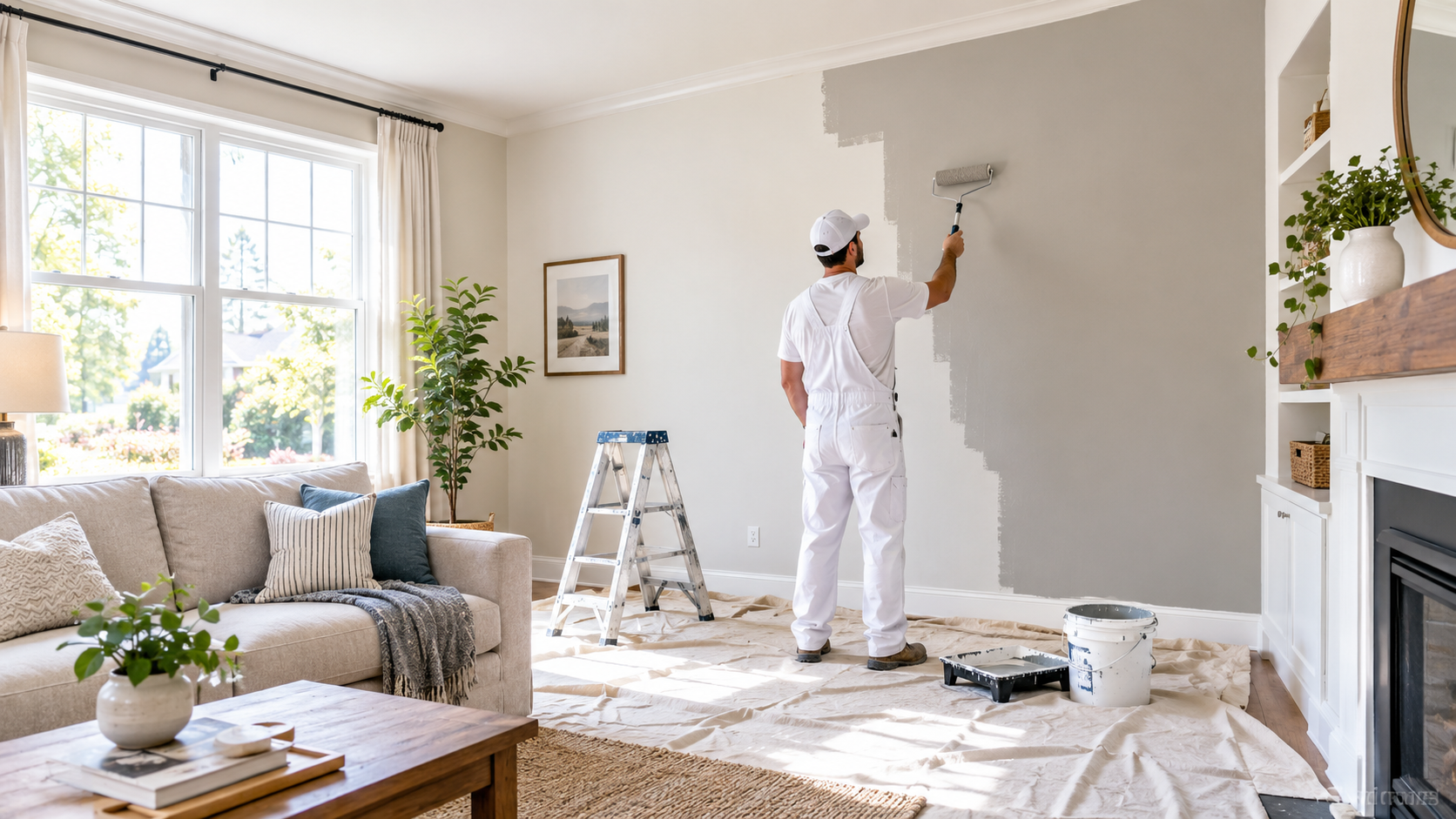
Interior Painters Near Me searching for usually starts the same way: you look at a wall, sigh, and realize the color that felt cozy five years ago now looks tired. Maybe you’re refreshing a nursery, prepping the house for a sale, or finally covering that swatch a previous owner called “mocha surprise.” Whatever pushed you here, one thing is certain — the crew you hire matters far more than the paint you can buy. Great painting contractors protect your floors, cut clean lines, and finish on schedule. Careless ones leave roller marks, drips on the baseboard, and a long list of excuses.
This guide walks you through the entire process: finding trustworthy local painters, understanding what painting actually costs in 2026, reading an estimate like a pro, and spotting the red flags before you sign anything.
Why Hire Professional Painters?(Interior Painters Near Me)
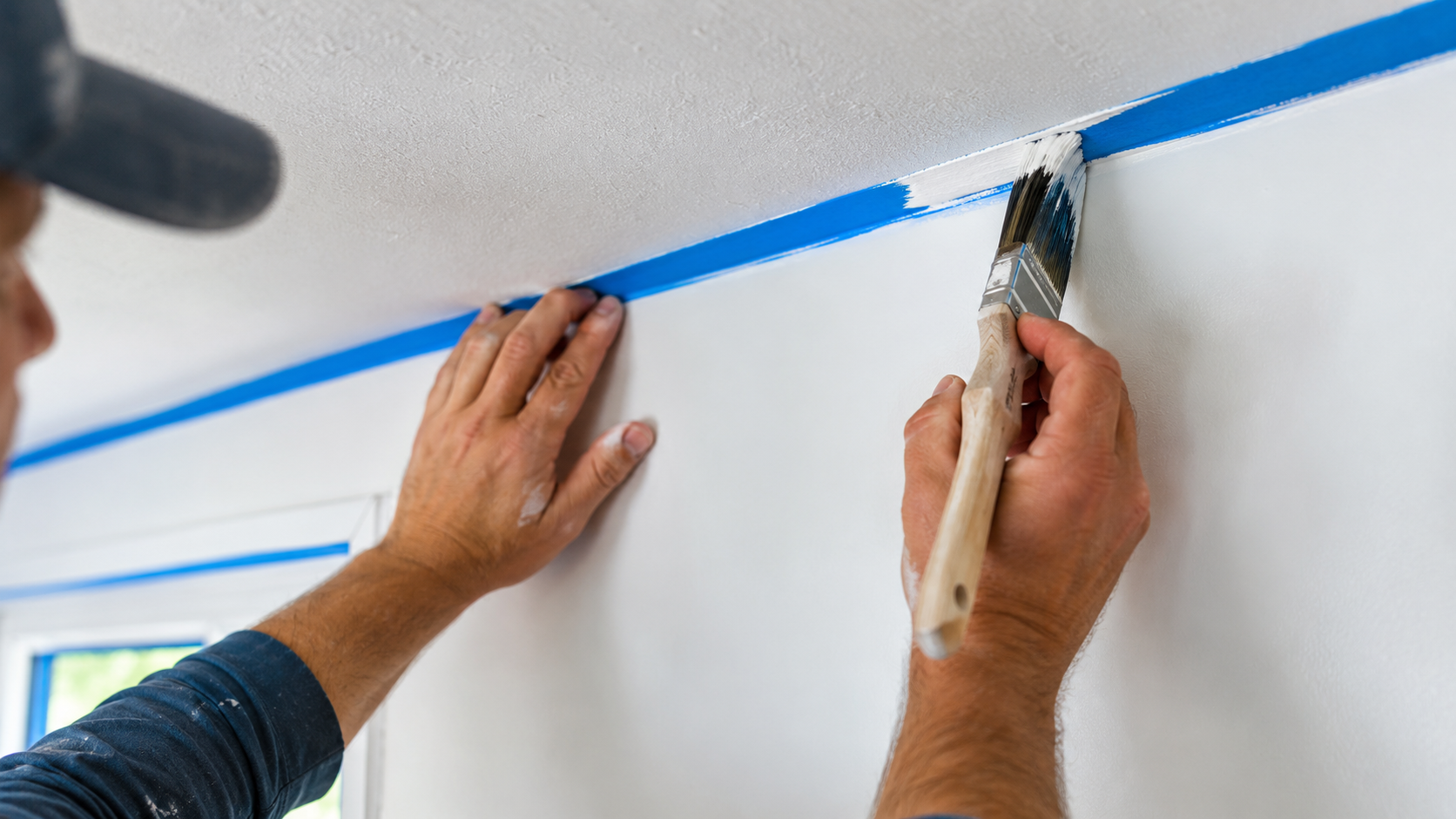
Painting looks simple until you try it. Moving furniture, patching drywall, sanding glossy trim, taping edges, and cutting in around ceilings can swallow an entire weekend — and that’s before the second coat.
Professional painters bring three things most homeowners can’t match: speed, consistency, and an eye for problems. A seasoned crew spots drywall cracks, water stains, or peeling paint before they become expensive surprises. They also know that prep work, not the paint itself, decides whether your walls look sharp or sloppy. Even the most expensive paint can’t hide a rushed taping job.
What Does a Painting Contractor Actually Do?
A quality crew does far more than roll paint on walls. A typical job follows this sequence:
- Walkthrough and quote — measure the space, note repairs, and agree on colors, sheen, and timeline.
- Protection — move furniture to the center, cover floors and fixtures with drop cloths or plastic.
- Surface prep — fill nail holes, patch cracks, sand rough spots, and caulk gaps along trim and molding.
- Primer — spot-prime repairs or prime the full surface when making dramatic color changes.
- Finish coats — usually two, with proper drying time between them.
- Cleanup and walkthrough — remove tape, restore furniture, and do a final punch-list inspection with you.
Always ask what’s included, because “painting the room” means different things to different contractors. Extras like ceiling paint, trim, and drywall repair can shift the total by hundreds of dollars.
How to Find Interior Painters Near You

Start where real neighbors talk: Google Maps, Yelp, Angie, Thumbtack, and Nextdoor. Local Facebook community groups are also gold mines for before-and-after photos and honest reviews.
Star ratings only tell you so much. Instead, read recent comments and look for three words: punctual, clean, and communicative. A painter with 4.6 stars and detailed recent reviews is usually a safer bet than a 5.0 rating with two comments from 2021.
Then shortlist three local painters and request written estimates from each. Comparing three quotes is the single best way to understand fair pricing in your area.
How Much Does Interior Painting Cost in 2026?
Most professional painters charge $2 to $6 per square foot for walls only, and roughly $4.70 to $6.75 per square foot when trim and ceilings are included CertaPro, NerdWallet. Labor takes the largest share of every quote, which is why prices vary more by city than by paint brand.
Here’s how much common painting projects cost in 2026, according to Angi:
| Project | Typical 2026 Price Range |
| Small bathroom (walls) | 150–400 |
| Small bedroom (10×10) | 400–1,000 |
| Primary bedroom | 650–1,400 |
| Living room or great room | 900–2,000 |
| Kitchen (walls and trim) | 500–1,500 |
| Whole home, 2,000 sq ft (walls only) | 2,500–8,000 |
| Hourly labor (per painter) | 25–75 |
Three factors move these numbers the most:
- Ceiling height — rooms with vaulted or 10-foot ceilings cost 20–50% more.
- Wall condition — heavy patching, wallpaper removal, or smoke damage adds prep hours.
- Color change — switching from dark navy to white requires extra primer coats.
Regional variation is real. Expect the high end of these ranges in coastal metros like San Francisco, New York, and Seattle, and the low end in smaller Midwest and Southern markets. When in doubt, let your three local quotes tell you the truth — they beat any national average.
What Should a Written Estimate Include?
A professional estimate is itemized, not a single number on a napkin. Make sure yours lists:
- Labor cost and hourly rate (if billed hourly)
- Paint brand, product line, and sheen — by name
- Primer and the number of finish coats
- Which surfaces are included: walls, trim, doors, ceilings
- Repair work: patching, sanding, caulking
- Furniture moving and cleanup
- Start date, completion date, and payment schedule
On payment: most reputable painters ask for 10–25% down, with the balance due at completion — not before. Some states cap deposits by law. In California, for example, down payments on home improvement contracts are limited to 10% of the contract price or $1,000, whichever is less CSLB. A quick search of your state’s contractor licensing board will tell you the rules where you live.
If any item above is missing from the estimate, ask before you sign — not after the ladders arrive.
DIY vs. Professional Painting: Which Costs Less?
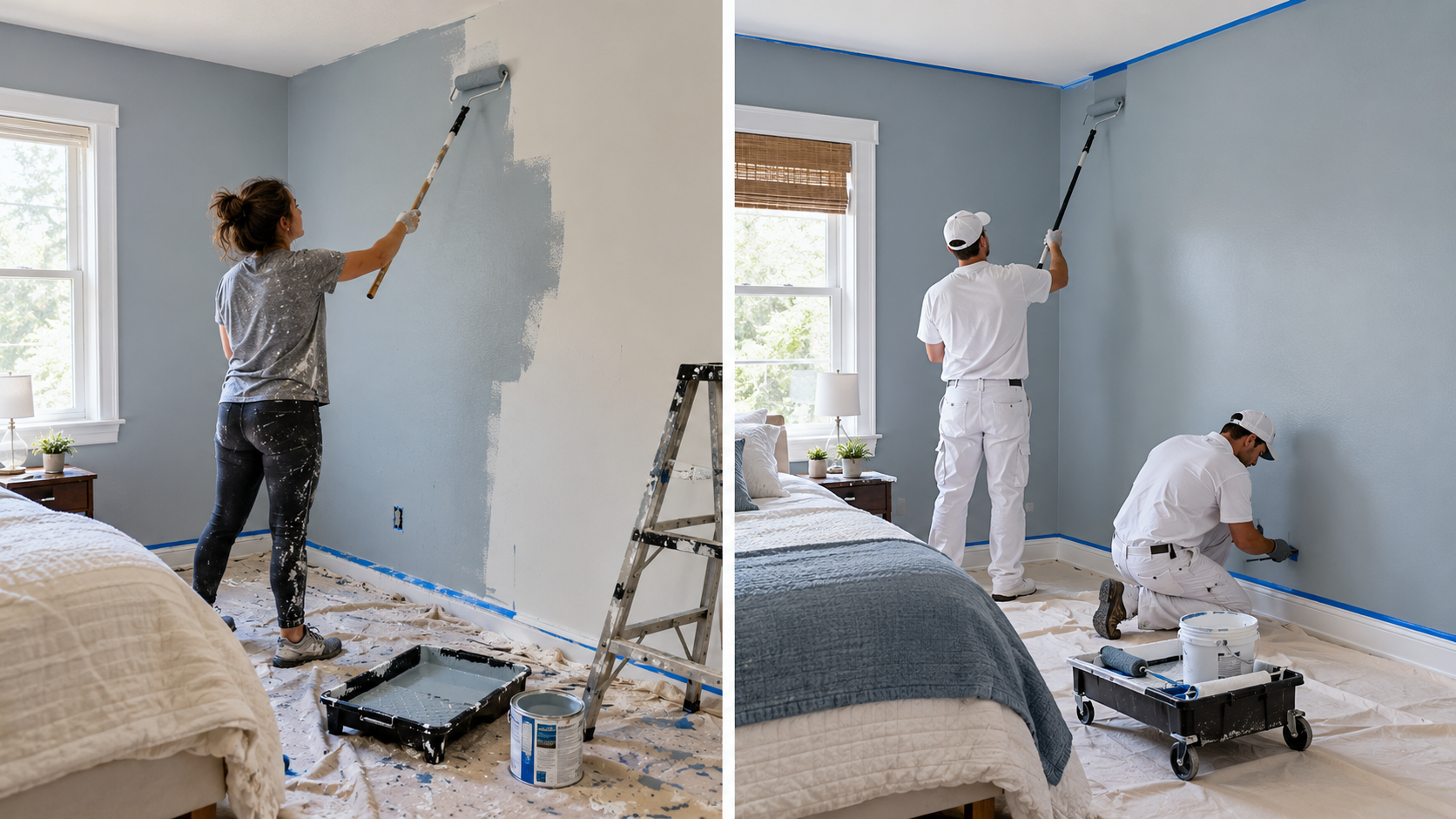
For a single 12×12 room, DIY supplies run $100 to $250: paint, primer, rollers, tape, drop cloths, and an edging tool. A professional crew averages around $624 for the same room, with a typical range of $400 to $1,000 Angi.
So why do thousands of homeowners hire out anyway? Time and finish quality. For a beginner, one room can swallow two or three days; for a two-person professional crew, it’s a one-day job. Pros also leave edges you can’t feel with your fingertip, and many back their work with a one- to two-year workmanship warranty.
Interior Painters Near Me:
| Factor | DIY | Professional |
| Cost for one room | 100–250 (supplies) | 400–1,000 |
| Time needed | 2–3 days | About 1 day |
| Finish quality | Varies with skill | Consistent |
| Warranty | None | Often 1–2 years |
| Tools | Buy or rent | Included |
There’s nothing wrong with painting a bedroom yourself. But if the project involves tall ceilings, lots of trim, or a house going on the market, the math usually favors a pro.
Check Licensing, Insurance, and Lead-Safe Rules
Two documents protect you more than any online review:
- Liability insurance — covers damage to your home. Ask for a current certificate, not a verbal “yes, we’re covered.”
- State or local license — required for paid painting work in many states. Verify the number on your state’s contractor board website.
If your home was built before 1978, there’s a third requirement. Older paint may contain lead, and sanding or scraping it releases dangerous dust. Federal law requires contractors working in pre-1978 homes to be certified under the EPA’s Lead Renovation, Repair and Painting (RRP) program. Ask to see the firm’s certificate — legitimate companies carry it and expect the question.
Paint Brands, Sheen, and Gallon Math
Which paint should you ask for? Contractor-grade lines from major brands offer the best value-to-durability ratio:
| Tier | Examples | Approx. Price per Gallon |
| Budget | Behr Premium Plus, Glidden Premium | 30–45 |
| Mid-range | Behr Premium Plus Ultra, Sherwin-Williams SuperPaint | 45–70 |
| Premium | Sherwin-Williams Emerald, Benjamin Moore Regal Select | 70–115 |
Painting a nursery or a room for a family member with allergies? Ask about zero-VOC options such as Benjamin Moore Natura, Sherwin-Williams Harmony, or ECOS Paints — they release far fewer fumes while the paint cures.
How much paint do you need?(Interior Painters Near Me)
One gallon covers 350 to 400 square feet of smooth wall Sherwin-Williams. A 12×12 room with 8-foot ceilings has roughly 384 square feet of wall, so budget one gallon per coat — two gallons total for the standard two coats. Textured walls and deep, saturated colors eat up to 15% more.
Which sheen where?(Interior Painters Near Me)
| Sheen | Best For |
| Matte / flat | Adult bedrooms, ceilings, low-traffic areas |
| Eggshell | Living rooms, dining rooms, hallways — the all-purpose choice |
| Satin | Kitchens, bathrooms, kids’ rooms — wipes clean easily |
| Semi-gloss | Trim, doors, baseboards, cabinets |
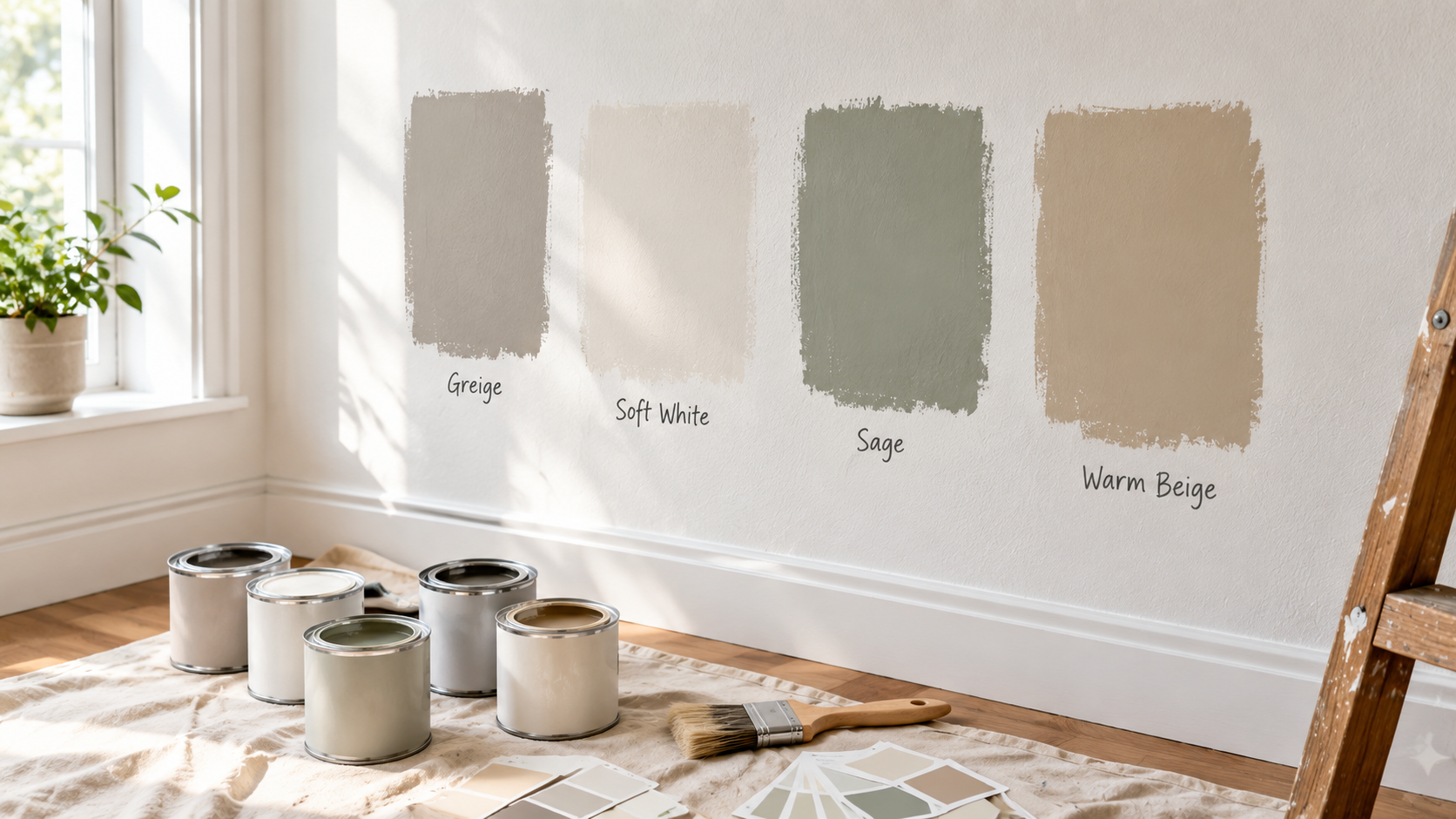
One more pro tip: brush your samples directly onto the wall and check them at noon and again under evening lamps. Colors shift dramatically between daylight and warm bulbs, and testing on the wall beats any paint chip card.
Smart Questions to Ask Before You Hire(Interior Painters Near Me)
Interview your shortlisted painters with these questions:
- How many years have you been painting full time?
- Who will actually do the work — your employees or subcontractors?
- Which paint brands and product lines do you use, and why?
- How many coats are included, and is primer separate?
- What happens if you find damaged drywall mid-job?
- What’s your timeline, and how many other projects run alongside mine?
- What does your workmanship warranty cover, and for how long?
Good painters answer directly and in detail. Defensiveness or vagueness at this stage almost always predicts problems later.
Red Flags That Should Make You Walk Away
Protect yourself by recognizing these warning signs early:
- Large upfront deposits. Anything beyond 25–30% is out of the ordinary — and in states like California, it may be illegal.
- No written estimate. Verbal promises vanish the moment there’s a disagreement.
- Vague timelines. “We’ll get to it next week sometime” means your project has no schedule at all.
- Dodged insurance questions. If they won’t show a certificate, they probably don’t have one.
- Pressure tactics. “This price expires today” is a sales trick, not a discount.
- A rock-bottom bid. The cheapest quote almost always skips prep work, primer, or insurance. You’ll pay the difference in drips and do-overs.
Timeline and Best Time to Hire
The best local painters often book two to four weeks out, and spring and fall calendars fill first. Indoor painting happens year-round with decent ventilation, but allow extra drying time between coats in humid summer weather or a damp winter basement.
| Job Size | Typical Duration |
| Single room | 1 day |
| Several rooms | 2–3 days |
| Whole home | 4–7 days |
Bonus: some contractors offer winter discounts during their slow season. If your schedule is flexible, January and February quotes are often 10–15% softer than May’s.
Prepare Your Home Before Painting Day
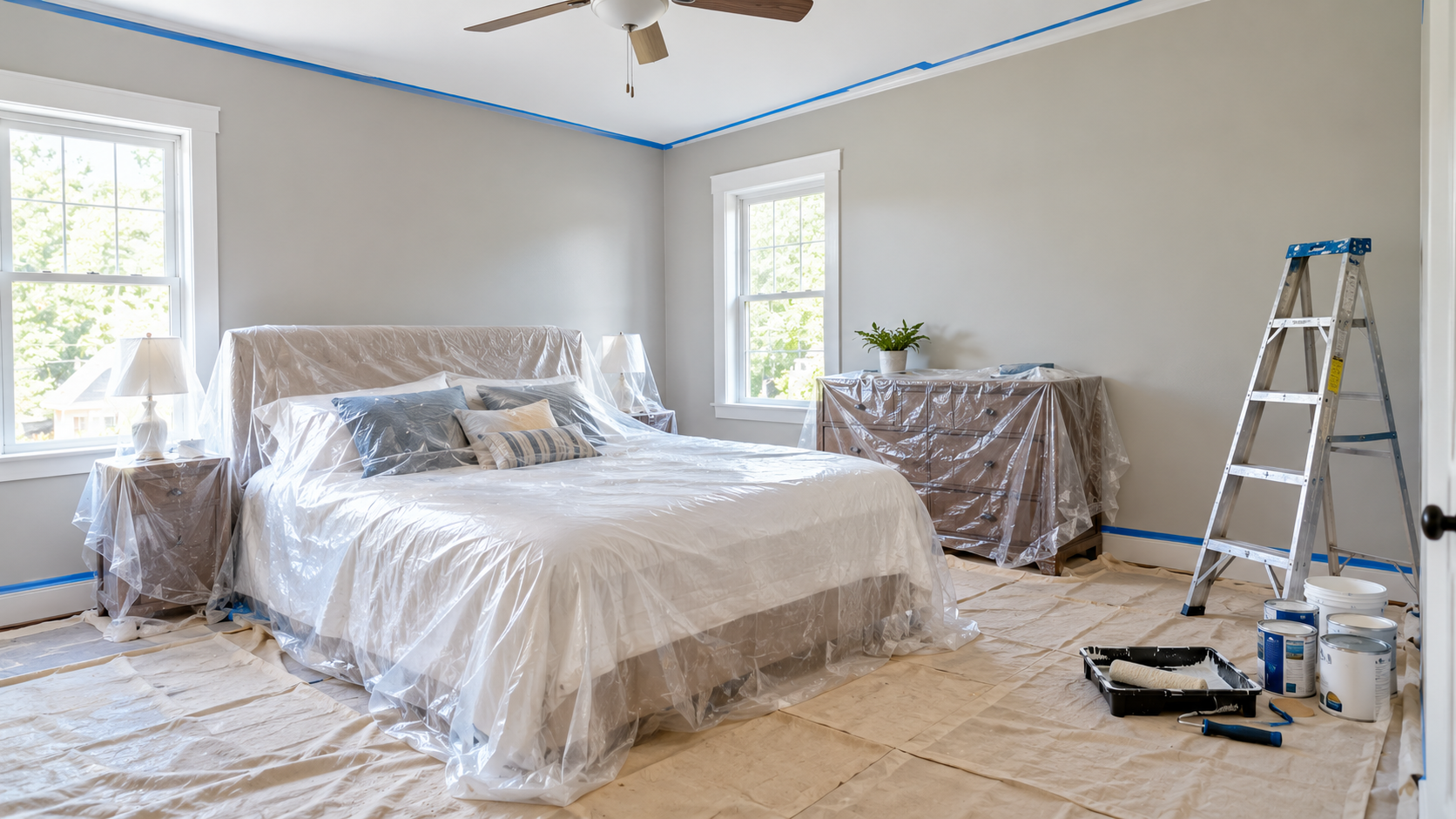
A little preparation saves hourly billing and keeps your belongings safe:
- Remove wall art, curtains, and hardware from outlets and switch plates.
- Clear small furniture and fragile items completely out of the room.
- Pull up (or roll back) rugs, and note which large pieces the crew will handle.
- Confirm paint colors, sheens, and the payment schedule in a final walkthrough.
Do this review before the first brush touches the wall — changes made mid-job always cost more.
Compare Three Quotes Fairly

Picture three estimates for the same bedroom. The first, at $900, includes wall repairs, primer, two finish coats, and full cleanup. The second, at $550, covers paint and labor only. The third, at $650, hides a $200 “surface preparation fee” in the fine print.
The $550 quote isn’t the cheapest job — it’s the cheapest scope. When you compare quotes, put them side by side line by line: scope of work, materials by brand name, number of coats, timeline, and warranty. Pay for the work you actually need, at a price you’ve verified, from a crew that explains every line.
If Something Goes Wrong
Even good projects occasionally hit snags. Handle them in this order:
- Use the punch list. Walk the finished job with the painter and note every touch-up before making the final payment.
- Invoke the warranty. Reputable painters return for fixes within their stated warranty window.
- Put it in writing. Follow every phone call with a brief email summarizing what was agreed.
- Escalate if needed. File a complaint with your state contractor licensing board or local consumer protection office; small claims court handles most residential disputes affordably.
Never make the final payment until the work meets the written standard you agreed to.
FAQs:Interior Painters Near Me
Do I need to tip house painters?
Tipping isn’t expected. For exceptional work, 10–15% divided among the crew, or a hot lunch on a long day, is always appreciated.
Do painters supply their own paint?
Most do, and their contractor discounts often offset the labor cost. Either way, confirm the exact brand and product line in your written estimate.
What’s the difference between an estimate and a quote?
An estimate is a best guess that can move with the job’s condition; a fixed quote locks in the price for the described scope. Fixed quotes protect you best.
How long should a professional paint job last?
A quality interior job typically holds up 5–10 years. High-traffic hallways and sunny rooms may need refreshing closer to the 5-year mark.
Is winter really a good time to paint indoors?
Yes. Modern latex paints cure fine in a temperature-controlled home, and off-season scheduling often means faster bookings and better prices.
Final Thoughts:Interior Painters Near Me
Finding the right Interior Painters Near Me takes a little research, not a leap of faith. Verify reviews, insurance, and lead-safe certification. Collect three written estimates and compare the scope line by line. Understand what 2026 pricing looks like so you can spot both inflated bids and too-good-to-be-true ones. Then hire the crew that answers your questions clearly and puts every promise in writing.
Your walls — and your weekends — will thank you.
Visit Famousparentingmomlife.blog for more home, lifestyle, and practical living tips.